


Emergency Dentistry in Dickinson, ND
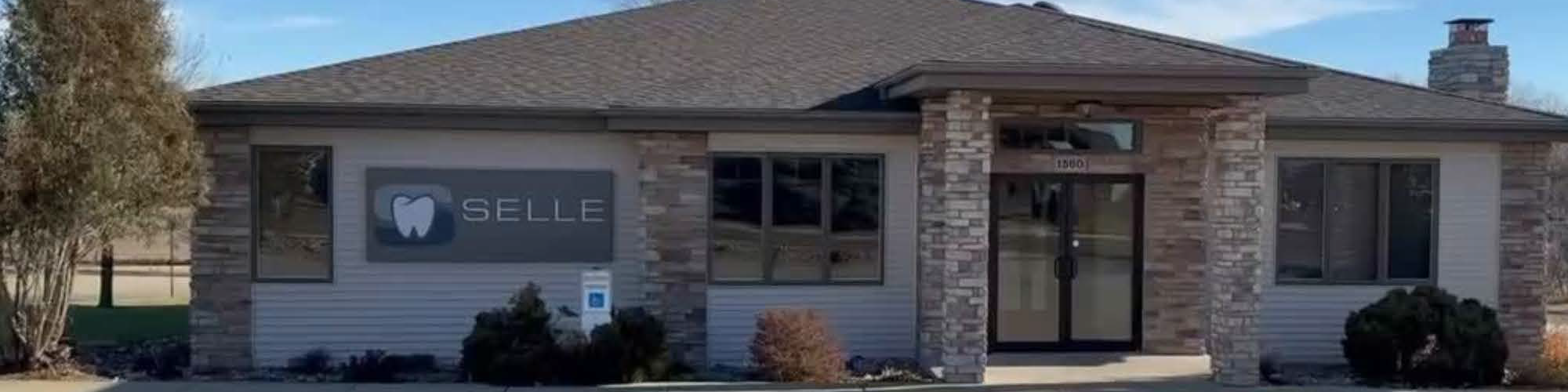
Selle Family Dental believes the best approach to emergency dentistry in Dickinson starts long before a problem occurs. As a family dentist in Dickinson, Dr. Brent Selle and his team focus on preventive care that helps patients avoid pain, infection, and unexpected dental problems. The best preventive step you can take is to establish your dental care with a local dentist so that you already have a trusted dental home when you need it.
Experiencing a Dental Emergency?
Dr. Selle at Selle Family Dental, PC in Dickinson, North Dakota is here to help. Contact us today to schedule your appointment.
What Is Considered a Dental Emergency?
A dental emergency generally involves pain, swelling, bleeding, or damage that affects your ability to eat, speak, or sleep comfortably. Some situations, like a knocked out tooth or significant trauma, need prompt attention, while others can wait for a scheduled visit. Understanding the difference helps you respond calmly and make informed decisions about your care.
The Best Emergency Treatment Is Prevention
Most dental emergencies do not happen without warning. Small issues like minor decay or hairline cracks often develop quietly until they become painful, which is why routine checkups matter so much. Regular preventive care allows our team to catch these problems early, before they turn into something that feels urgent. Dental pain does not need to be an emergency and can often be prevented with regular dental care and necessary dental work completed as soon as possible.
Why Having an Established Dental Home Matters
When you have an established relationship with a dental team, care becomes more personal and more effective. Your dental team knows your health history and what has worked for you before, which makes it easier to manage unexpected dental problems if they arise. That familiarity also means less guesswork and more confidence in the care you receive.
Common Dental Problems That Can Become Emergencies
Toothaches, cracked teeth, and loose or lost fillings are some of the most common issues that can escalate if left untreated. Seeking dental treatment in Dickinson early often prevents a simple problem from turning into a more serious infection or the need for advanced treatment. Gum disease and untreated cavities can also progress quietly until they cause noticeable discomfort.
Warning Signs You Should Schedule an Appointment
Persistent tooth sensitivity, ongoing bad breath, bleeding gums, or a dull ache that comes and goes are all signs worth discussing with your dentist. These symptoms don’t always require urgent dental care in Dickinson, but you shouldn’t ignore them. Scheduling an appointment when you first notice these changes gives our team the best chance to address them before they progress.
Protecting Your Smile Between Dental Visits
Consistent brushing, flossing, and a balanced diet go a long way toward protecting your smile between appointments. Wearing a mouthguard during sports and avoiding habits like chewing ice or hard candy can also reduce your risk of a dental injury. Small daily habits, paired with regular professional care, are one of the most reliable ways to keep your smile healthy.
What Should You Do During a Dental Emergency?
If you are dealing with a dental emergency, start by contacting our office so we can guide you through the next steps. Requesting an emergency dentist appointment near me is easier when you already have a dental home familiar with your history and needs. Our team is here to help you understand your options and get the care you need.
Emergency Dentistry FAQs
- Can a toothache wait? A mild toothache that resolves on its own may not require immediate attention, but persistent or worsening pain is worth discussing with your dentist soon. Pain that lingers for more than a day or two, or that comes with swelling, is a sign the issue needs professional evaluation.
- What should I do if a filling falls out? If a filling falls out, avoid chewing on that side of your mouth and contact our office to schedule an appointment. Keeping the area clean and limit chewing on that side in the meantime can help prevent further irritation until we can evaluate and repair the tooth.
- How often should I schedule a dental visit? Most patients benefit from a dental visit every six months, but some individuals may benefit from a more frequent schedule. Regular visits allow our team to monitor your smile and address small concerns before they grow into bigger ones.